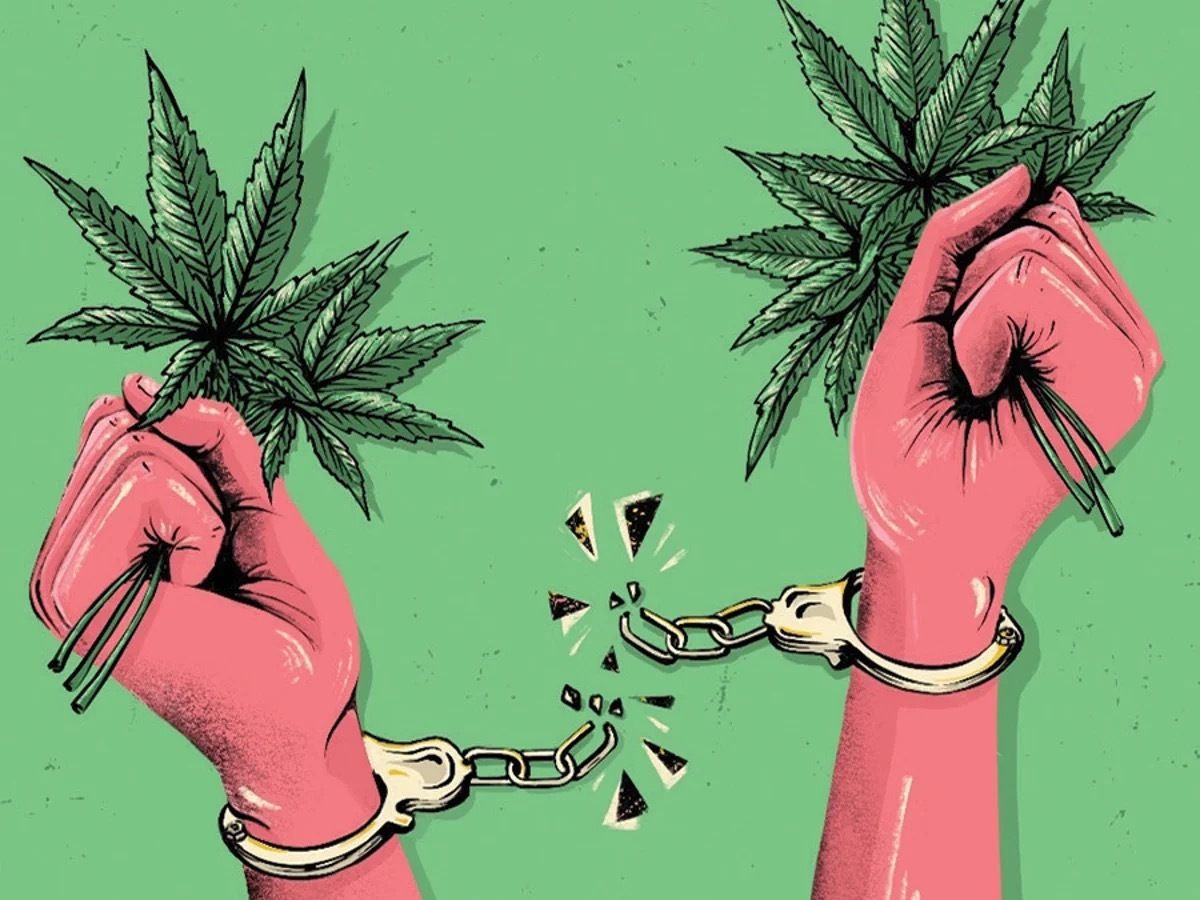
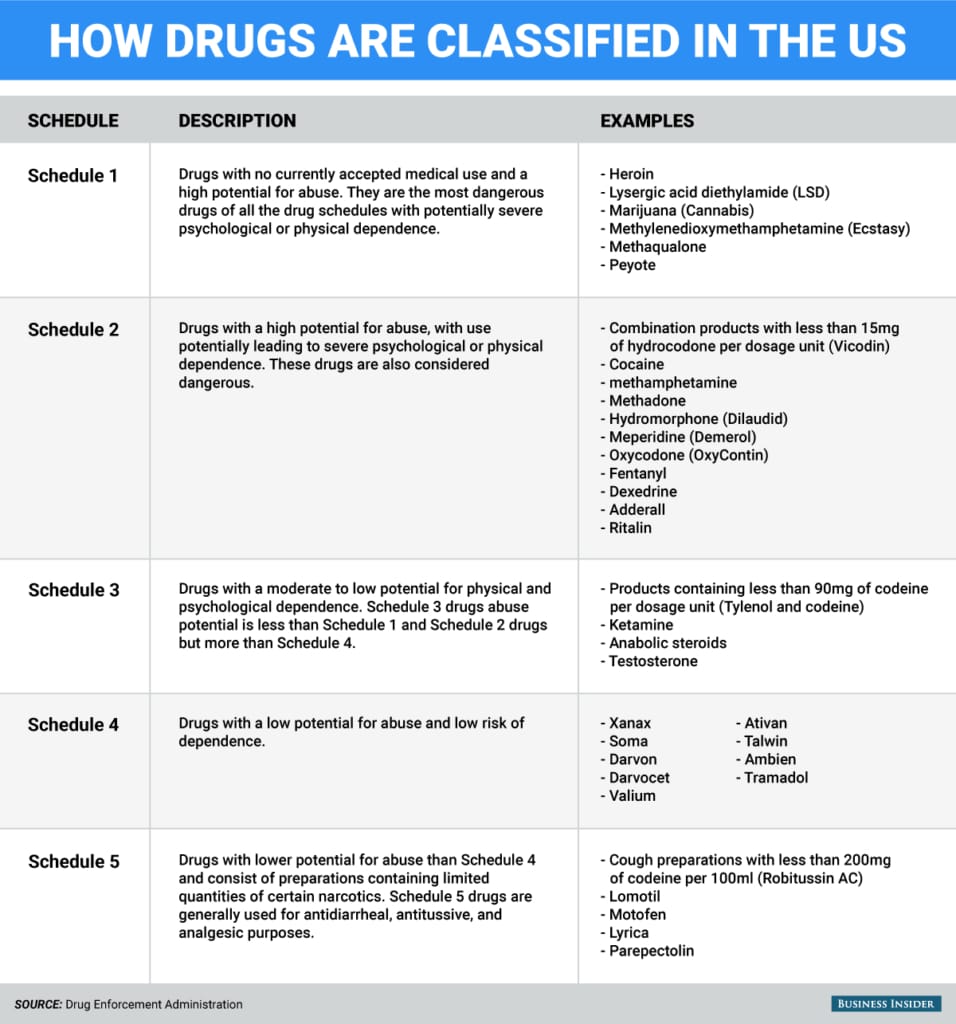
A Federal Shift That Could Redefine the Cannabis Industry | | This week brought one of the most meaningful federal policy shifts in decades for the U.S. cannabis industry: marijuana is set to be reclassified from a Schedule I to a Schedule III drug under the Controlled Substances Act. This change, implemented through an executive order, doesn't legalize recreational cannabis nationwide, but it does remove one of the most restrictive designations in federal law. | Why This Matters | Cannabis has been treated federally like heroin, ecstasy, and other drugs with "no currently accepted medical use." That classification has imposed heavy regulatory burdens on producers and sellers. A Schedule III status, by contrast, puts marijuana in the same league as controlled substances with accepted medical use and lower abuse potential. | While this isn't the same as full legalization, there are structural changes that could reshape the industry over time: | • Lower tax burdens
Right now, cannabis companies are hamstrung by Section 280E of the tax code, which bars them from claiming typical business deductions like payroll, rent, and utilities. Reclassification could eliminate that restriction, significantly improving profitability and margins. | • Broader access to capital
Federal restrictions have kept most banks and institutional investors on the sidelines, forcing cannabis businesses to rely on costly alternative financing. Reclassification could open the door to more traditional banking services and institutional capital. | • Reduced stigma and more research
Being seen as a Schedule III substance legitimizes cannabis as a biotech and pharmaceutical category. That could accelerate research into medical applications, which may create new lines of business and partnerships with larger pharmaceutical players. | • M&A and industry consolidation
Lower barriers and clearer regulatory footing could spur mergers and acquisitions — a trend that historically accompanies market maturation and scaling. | | Short-Term Noise vs. Long-Term Trends | It's worth acknowledging that not all cannabis stocks responded positively to the news. Some initial dips have occurred even as long-term catalysts have gained attention. This kind of short-term volatility is common when a narrative shifts, especially in a sector that's been hobbled by policy uncertainty for so long. | But the bigger question for longer-term investors isn't how stocks move this week — it's how the industry evolves over the next several years as federal policy catches up with state-level legalization that's already in place in most of the country. | A Broader Industry Outlook | Reclassification doesn't solve every challenge — licensing, interstate commerce, FDA approval for products, and full federal legalization are still hurdles. But setting marijuana on a path out of the strictest federal schedule is a structural shift, not just a headline. Over time, that could mean: | Better access to financing and banking Reduced tax drag and improved profitability More institutional interest and research partnerships Greater clarity around regulatory compliance
| For traders and investors focused on long-term potential, policy milestones like this are rarely the whole story — but they are major milestones. They can reduce uncertainty and expand the possibilities for growth, scaling, and mainstream participation. | America First, America Always |
|



0 التعليقات:
إرسال تعليق