|
A major shift is underway in the U.S. housing market — and while most headlines frame it as a buyer-versus-seller story, the implications go far beyond traditional home buying. |
From an investment perspective, this imbalance is starting to ripple into rates, equities, credit markets, and policy expectations. |
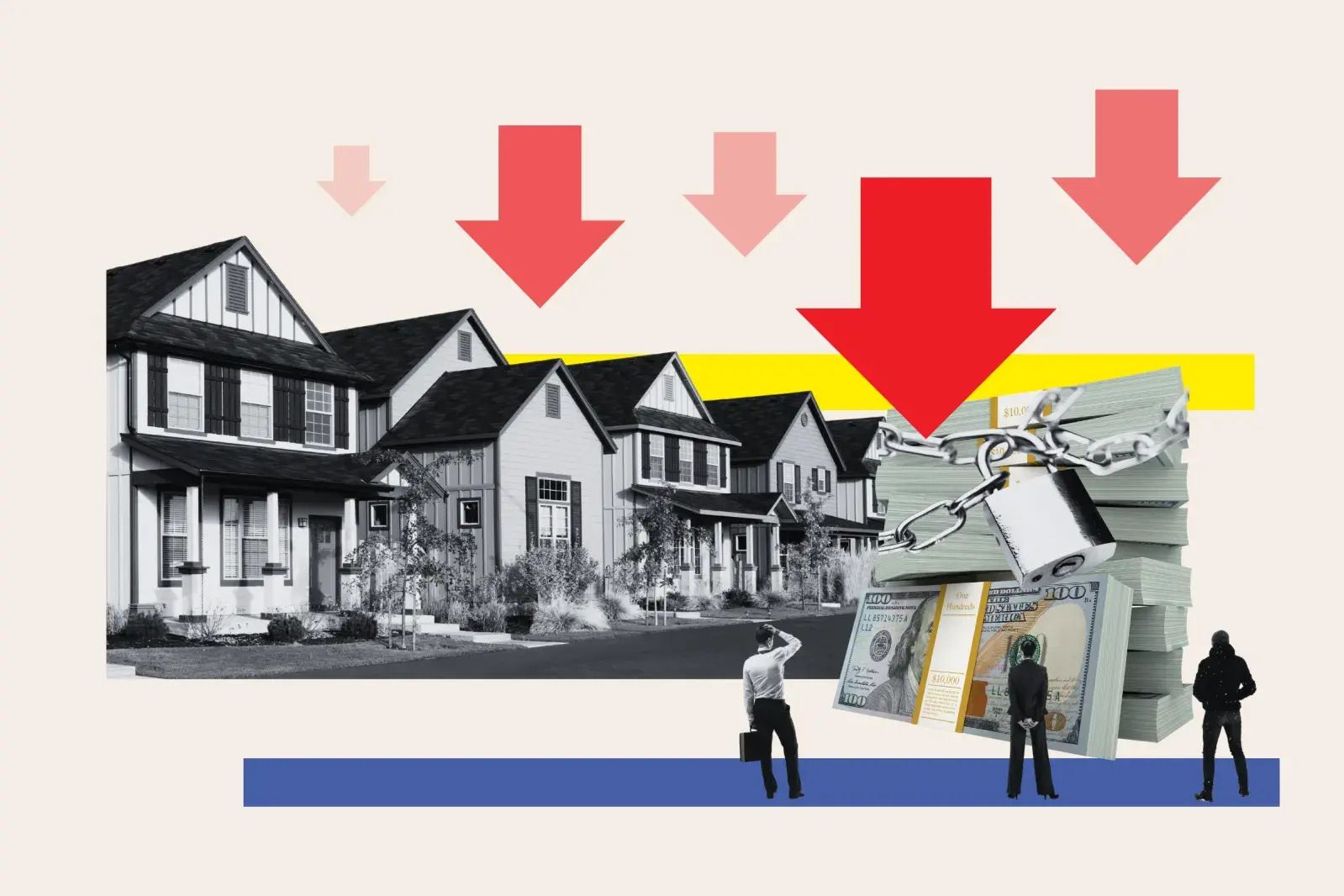
According to Redfin, there were 37.2% more home sellers than buyers nationwide in November, the largest gap on record outside of a brief spike earlier this year. That surplus has now persisted for months, signaling something structural rather than seasonal. |
In market terms, this is excess supply meeting constrained demand — a setup that tends to influence more than just housing prices. |
Why Investors Should Care About a Seller Surplus |
When sellers significantly outnumber buyers, price pressure builds. But in today's environment, prices aren't collapsing — liquidity is tightening instead. |
Buyers aren't stepping back because they don't want homes. They're stepping back because capital is expensive. High mortgage rates have effectively sidelined demand, even as inventory continues to grow. |
That creates a unique macro tension: |
|
For investors, this matters because housing sits at the intersection of consumer confidence, bank lending, inflation data, and Federal Reserve policy. |
|
|
Gold tends to shine when markets get unstable — and history backs it up. |
That's one reason central banks are quietly buying more of it right now. What they see could matter for investors thinking about diversification, especially inside retirement accounts. |
A FREE guide breaks down why gold matters in uncertain times and how some investors are positioning around it. |
Download the FREE guide here. |
|
The Trump Angle: Growth vs. Rates, Revisited |
This is where Donald Trump re-enters the conversation. |
Trump has repeatedly argued that strong economic activity should be rewarded, not restrained, criticizing the Federal Reserve for keeping rates high even as growth remains resilient. Housing is now one of the clearest pressure points supporting that argument. |
Despite solid GDP growth, housing activity has slowed to levels typically associated with economic stress — not because demand vanished, but because policy made participation expensive. |
From an investment standpoint, this reinforces a familiar Trump-era theme: |
Growth is there — but capital costs are suppressing its expression. |
|
|
If housing remains stuck in a seller-heavy but transaction-light environment, pressure builds on policymakers to respond — not just for homeowners, but for lenders, builders, and local economies tied to real estate turnover. |
Capital Doesn't Disappear — It Rotates |
One of the most overlooked consequences of a frozen housing market is where capital goes instead. |
When fewer buyers commit to mortgages: |
Cash stays liquid longer Capital shifts toward equities, commodities, or yield instruments Risk appetite expresses itself elsewhere
|
This helps explain why financial markets can remain strong — even as housing activity slows. |
We've already seen: |
Equities pushing to record highs Precious metals attracting capital Volatility remaining suppressed
|
From an investment lens, housing isn't collapsing — it's releasing capital into other asset classes. |
Regional Oversupply and Market Signals |
The imbalance is most pronounced in Sun Belt markets like Austin, San Antonio, and parts of Florida — regions that saw massive inflows during the pandemic and responded with aggressive construction. |
Now, supply has overshot demand. |
For investors, this isn't just a local housing story. It's a signal about: |
|
Markets tend to price these shifts gradually — until they don't. |
What This Sets Up Going Into 2026 |
Looking ahead, Redfin expects modest improvements in affordability to narrow the buyer-seller gap in 2026. But even then, the market is likely to remain buyer-leaning, with sellers offering concessions and prices adjusting at the margin. |
From an investment standpoint, the key takeaway isn't whether housing "recovers." |
It's this:
Housing is becoming a policy pressure point again. |
That pressure influences: |
|
And as Trump continues to frame the economy through the lens of growth, markets will increasingly watch whether housing forces a shift in how rates are discussed — or deployed. |
-America First, America Always |




0 التعليقات:
إرسال تعليق