| | Christmas is one of the most widely celebrated holidays in the world. It is known for lights, markets, food, and gifts. But it is also tied to deep political, cultural, and economic dynamics. Even in places where Christianity is not the main religion, Christmas spreads through media, trade, and global brands. Due to that, it carries a form of soft power. It becomes part of global relations. It shows how a cultural event can shape global influence, economic flows, political debates. But also even diplomatic messages between states. | One key area where Christmas shapes geopolitics is soft power. The modern image of Christmas comes mostly from the West. The U.S. in particular plays a big role. Hollywood films, pop music, Coca-Cola ads, shopping mall culture... It all comes from American influence. When these images spread, they support a positive and attractive image of lifestyles in the West. This gives the U.S. cultural influence even in places that do not share its political system. Europe also plays a part with its Christmas markets or festive traditions from France and the Nordic states. These practices help Europe maintain a global cultural identity. In both cases, Christmas becomes a tool for projecting values and shaping how people see Western societies. | | | | "Forget AI" Says Reagan's #1 Futurist |
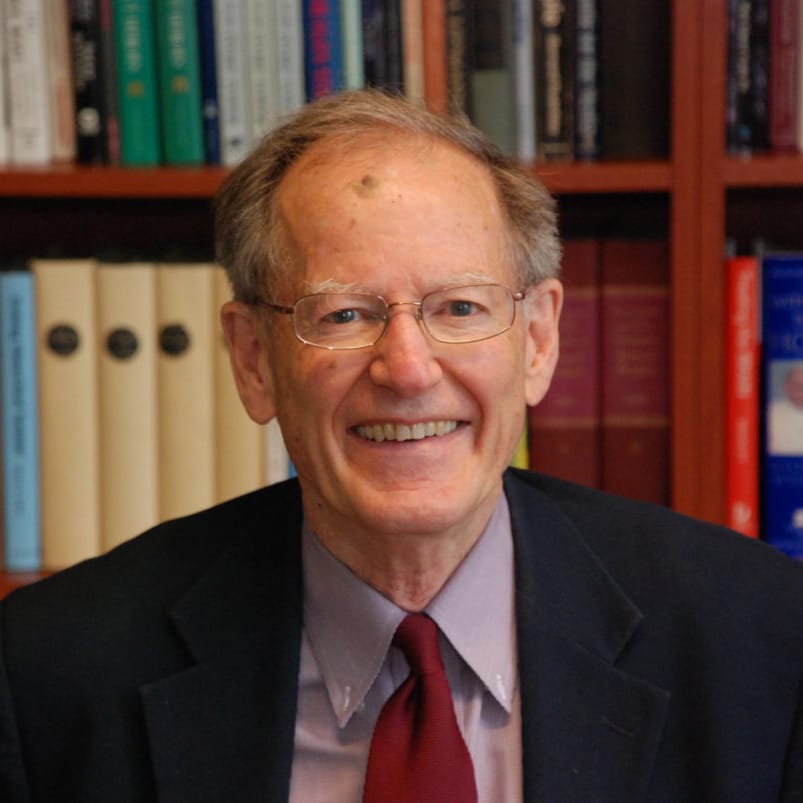
While everyone's chasing the same AI plays, George Gilder is focused on something completely different.
He says a 4-nanometer device that's 80 MILLION times more powerful than the chip he gave Reagan is now being made in America for the first time.
And he's identified 3 companies that control this technology.
Get the details before this BOMBSHELL announcement changes everything.
|
|
| | Economy is also a key part. Christmas drives one of the largest consumer cycles in the world. Billions of dollars move through global supply chains to produce toys, decorations, electronics, and clothes. China sits at the center of this system. It manufactures most decorations sold worldwide. But also, many of the toys found under Christmas trees. China gains economic leverage. Economies in the West depend on its factories to fill their stores before December. This gives China bargaining power. It also highlights how the global economy relies on stable shipping routes and steady relations. When a crisis affects transport hubs in the weeks before Christmas, global markets feel the shock. | Christmas also plays a role in identity politics and social debates. In the U.S. and parts of Europe, the holiday is at the center of tensions. It brings debates over national identity, religion, and its place in the State. Some groups argue that Christmas traditions are part of Western heritage and should be protected. Others believe that public spaces should remain neutral because society is diverse. These debates are not only cultural. They are also political. They influence elections, public policies, and party platforms. In Russia, Christmas takes a different role. The Orthodox Church celebrates it on January 7. The state uses the holiday to highlight Russia's unique identity. It separates it from traditions in the West. This serves the leaders' broader goal of promoting national pride and resisting influence from the West. | Diplomacy also uses Christmas as a tool. Leaders send messages of peace and unity. The Pope's Christmas address comments on global crises. In East Asia, Christmas has even been part of operations. South Korea once used giant Christmas lights near the border as a symbolic act. But North Korea saw it as hostile propaganda. In this sense, even holiday decorations can carry political meaning. | Global security worries also rise. Christmas markets in Europe attract large crowds. They become targets for attacks. States increase patrols and surveillance. This shows how this event can shape national security planning. When states prepare for risks during holiday events, they must coordinate with allies, manage border controls, and address online threats. The need for protection at Christmas creates a link between culture and security. | Christmas has effects even in states where most people are not Christian. In many parts of Asia, Christmas is mostly a commercial event. It encourages shopping, city decorations, and marketing campaigns. These adaptations show how global culture can blend with local traditions. But they also reveal political choices. In China, some local leaders limit Christmas celebrations. The goal is to promote national culture and reduce influence from the West. Others allow it because it stimulates economic activity. This tension between cultural control and market interests is part of China's broader strategy. | In the end, Christmas is more than a holiday. It is a global phenomenon. It connects culture and economics. But also, politics and diplomacy. | Decoding geopolitics isn't a job. It's survival. | Joy |
|




0 التعليقات:
إرسال تعليق