Trump, the Fed, and a Market That No Longer Celebrates Good News | | President Donald Trump reignited a familiar debate this week: Why doesn't the stock market react to good news the way it used to? | The comments came shortly after fresh economic data showed the U.S. economy growing at a 4.3% annualized pace, the strongest quarterly reading in two years and well above expectations. In another era, that kind of number might have sparked an immediate rally. Instead, Trump argued, markets now hesitate — or even fall — on strong data. | Trump summed it up bluntly in a social media post, saying the market is operating under what he called the "Trump Rule":
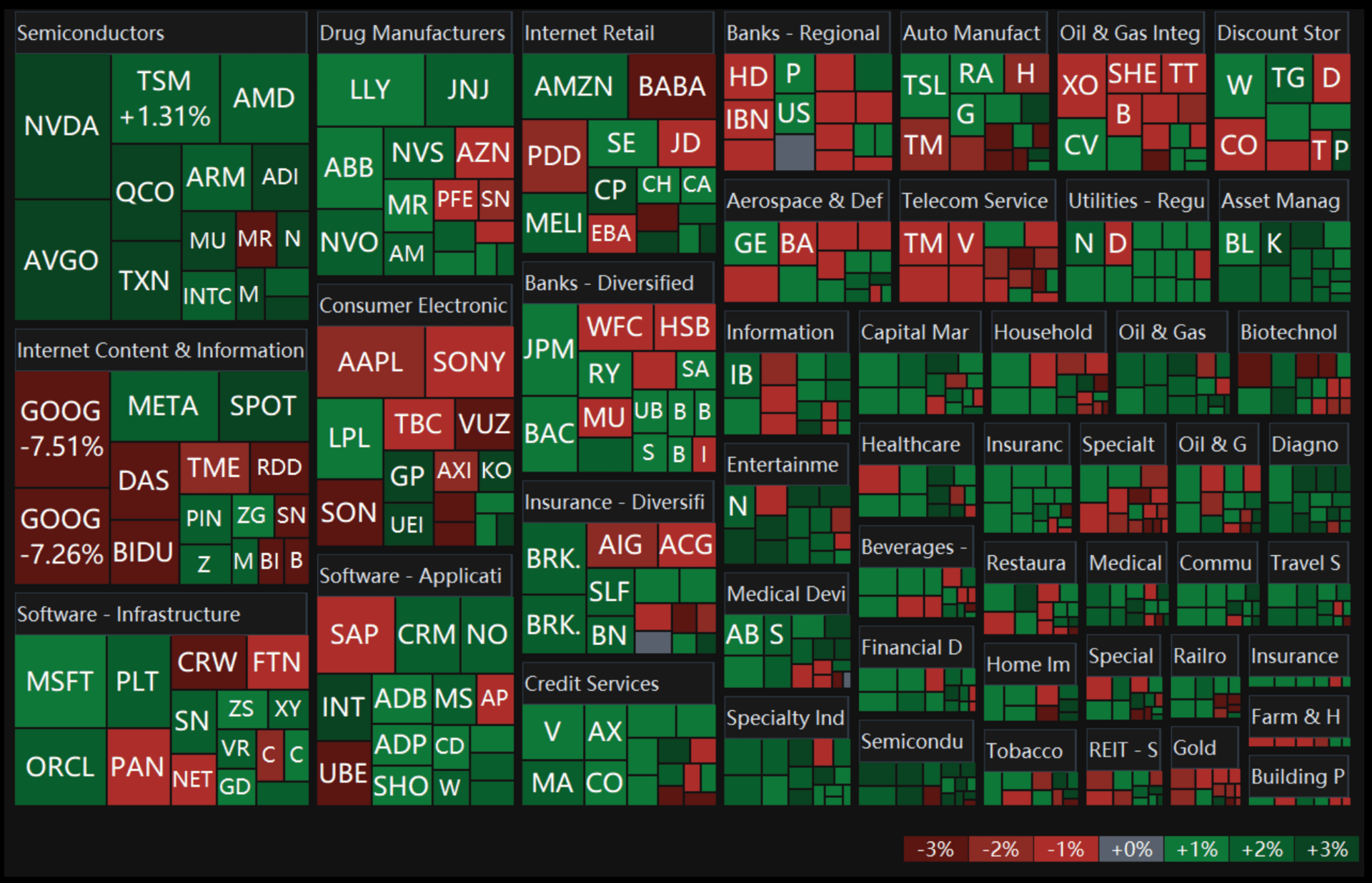
when economic news is good, stocks stay flat or go down because investors immediately assume the Federal Reserve will step in and raise interest rates. | In Trump's view, the problem isn't growth — it's fear of policy. | "Reward Success, Don't Punish It" | Trump's argument is consistent with a long-held belief of his: markets should be rewarded for economic strength, not restrained by preemptive rate hikes. He criticized what he described as "eggheads" at the Fed for focusing too heavily on potential inflation and not enough on momentum, confidence, and growth. | What makes the moment interesting is that, despite his critique, markets were actually up when he posted. The S&P 500, Nasdaq, and Dow were all modestly higher and on track for continued gains — suggesting that investors may be starting to push back against the very dynamic Trump described. | The Fed Chair Question Looms Large | Trump's comments also come at a pivotal time for monetary policy leadership. He has made it clear that whoever replaces Jerome Powell as Fed chair will need to align with a very specific philosophy: lower rates when the market and economy are doing well, not just when they're in trouble. | He has publicly stated that candidates who disagree with that approach won't be considered. Names reportedly in the mix include Kevin Hassett, Kevin Warsh, and Fed Governor Christopher Waller — each with differing views on inflation, growth, and interest-rate policy. | The backdrop is a Federal Reserve that has already cut rates three times, bringing its benchmark range down to 3.5%–3.75%, while remaining internally divided on whether further cuts are appropriate. | Why Trump's Framing Resonates With Markets | Whether one agrees with Trump or not, his framing taps into a real tension in modern markets: | Strong growth can trigger fear instead of enthusiasm Good data can raise rate-hike concerns Policy expectations often overshadow fundamentals
| In earlier market cycles, growth was celebrated. Today, it's frequently discounted because investors are conditioned to think one step ahead — to what the Fed might do next. | Trump's critique is essentially a call for a return to a simpler feedback loop:
good news → higher confidence → rising markets. | | What This Means Going Forward | As Trump edges closer to naming a new Fed chair and continues to publicly pressure the central bank, markets are likely to remain sensitive not just to data — but to tone, expectations, and political signaling. | That creates an environment where: | | Whether the "Trump Rule" becomes reality or not, one thing is clear: the debate over growth versus rates is far from over — and it's moving closer to center stage. | Staying Prepared | When markets react as much to policy expectations as they do to fundamentals, timing becomes critical. Trade alerts focus on real-time setups as they develop, helping traders stay aligned with momentum and volatility instead of reacting late.
Get real-time trade alerts sent directly to your phone. | -America First, America Always |
|




0 التعليقات:
إرسال تعليق