| Many organizations have invested heavily in Business Intelligence (BI). Dashboards, reports, and self-serve analytics are common across larger teams. The problem is not visibility. It is conversion: insight does not consistently translate into action. That is where Decision Intelligence (DI) comes in. BI surfaces signals and trends. DI engineers how decisions are made, measures outcomes, and improves decisions using real-world results. Gartner defines Decision Intelligence as a discipline that advances decision making by explicitly understanding and engineering how decisions are made, and how outcomes are evaluated, managed, and improved via feedback. In practice, the shift is straightforward: BI outputs information. DI outputs actions. Not just dashboards, but recommended next steps, decision policies, and in some cases automated decisions with guardrails. BI success is often adoption. DI success is outcomes. Speed, consistency, risk reduction, and measurable business impact. BI fails quietly. DI fails loudly. Confusing metrics slow decisions. In DI, weak inputs can automate inconsistency at scale.
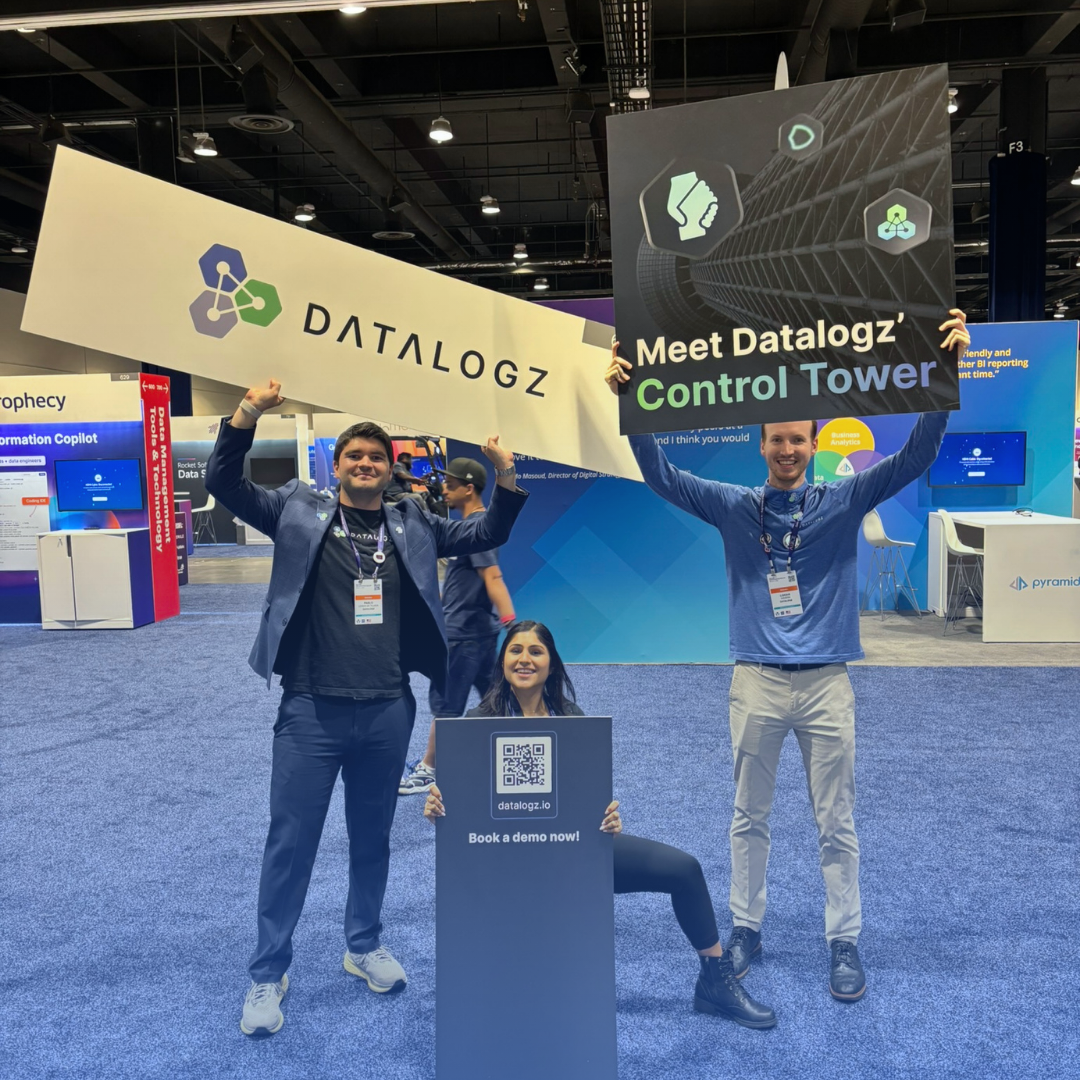
Here is the hard truth: DI is only as strong as the BI layer underneath it. If your BI estate has duplicated reports, drifting metric definitions, stale refreshes, unclear ownership, or loose permissions, DI becomes a force multiplier for disagreement. That is why BI data products matter. Certified datasets, endorsed dashboards, standardized metric definitions, and reliable refresh health are the building blocks DI relies on. Where Datalogz fits: Datalogz helps teams operationalize this foundation by monitoring BI platforms across security, performance, governance, and cost, so decision-ready assets are easier to trust and scale. |












0 التعليقات:
إرسال تعليق