|
While Wall Street obsessed over Nvidia and Warsh, central banks posted a record second quarter of gold buying, purchasing into falling prices. US debt crossed $40 trillion. The people who print dollars are buying what they cannot print.
| |
|
|
|
August 29, 2026 • Saturday morning edition • No hype, just perspective.
|
|
Everyone Watched Nvidia and Warsh. Central Banks Were Loading Up on Gold.
This week the financial world had two obsessions: Nvidia’s blowout quarter and whether Warsh would signal a rate hike. Underneath both, with almost no commentary, gold climbed back toward $4,600 and the world’s central banks posted their biggest second quarter of buying on record. The institutions closest to the printing press spent the quarter trading dollars for metal, and hardly anyone was watching.
|
|
|
The Scoreboard
|
• The record that mattered: Central banks bought about 289 tonnes of gold in the second quarter, a record for any second quarter and up roughly 62 percent from a year earlier, according to the World Gold Council. They bought while the price was falling. Over the past four years they have averaged near 1,000 tonnes a year, about double the prior decade’s pace.
• The price: Gold entered August near $4,000 and ran to about $4,630 by mid-month, up double digits on the month and its best stretch since January. It slipped roughly 3 percent Friday to near $4,530. For context, it set an all-time high near $5,586 in late January, then fell more than 20 percent through the spring.
• The reason under the reason: US national debt crossed $40 trillion, and last week the Treasury stepped in to buy back long-dated bonds to keep yields from climbing. Both feed what traders call the debasement trade, protection against wide deficits and a softer dollar.
• The survey: In the World Gold Council’s 2026 poll of central banks, more than 80 percent said they expect to hold more gold in five years, and 74 percent said they expect to hold fewer dollars.
• The tell: Gold held near $4,530 even as Warsh turned hawkish Friday and September rate-hike bets jumped, a sign the buying is structural and sovereign in origin. Stocks, meanwhile, sat near record highs around 7,750 on the S&P 500.
|
|
| Sponsored |
RYSE Inc. · Reg A+ · Nasdaq $RYSS reserved |
|
|
PRICE INCREASE AUGUST 31 · Final window to invest at $2.50/share
|
|
|
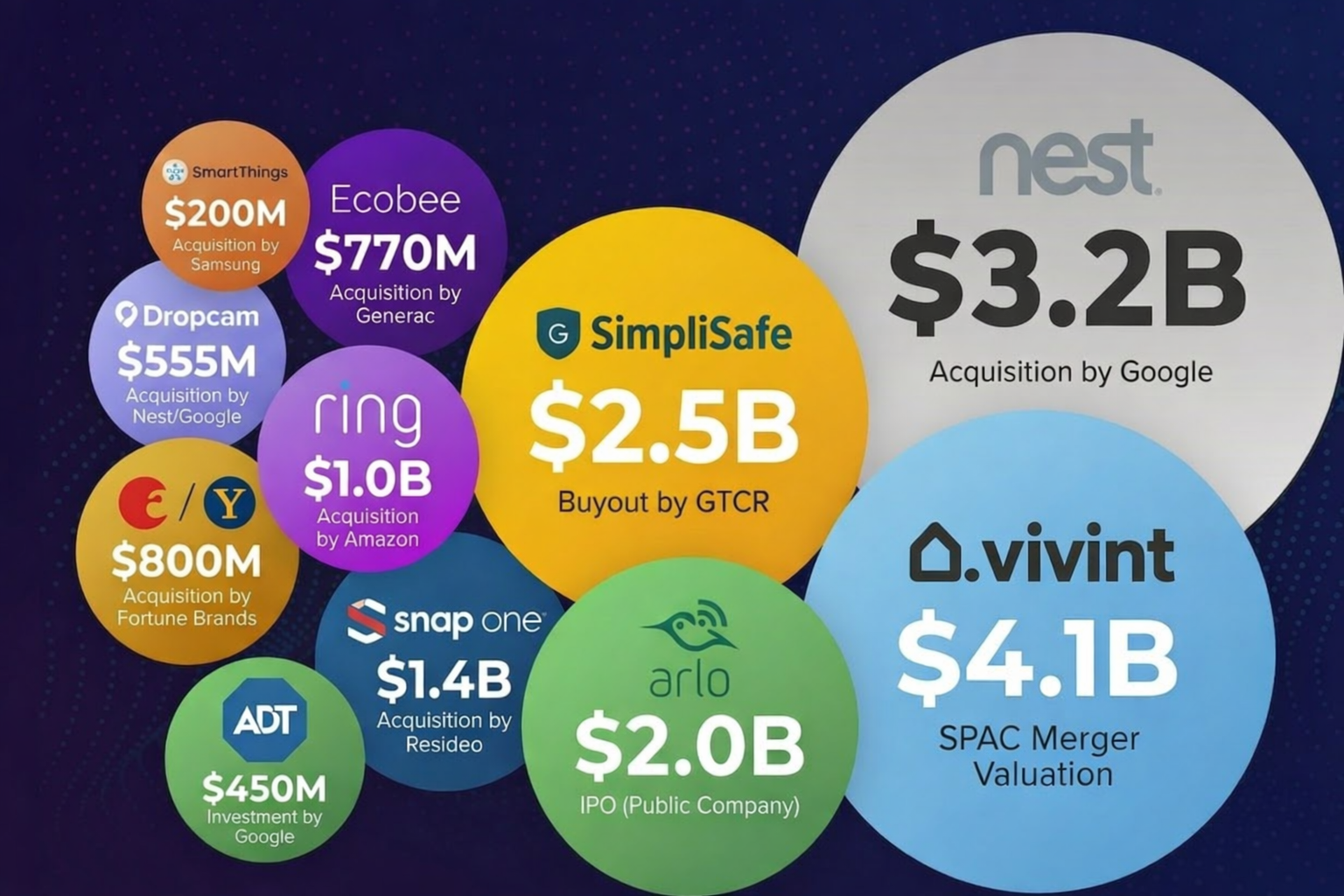
Investor briefing · Smart home exits Nest sold for $3.2B. Ring sold for $1.2B. RYSE may be next. RYSE leads the largest untouched category in smart home, and the Reg A+ round is open at $2.50, recently up from $2.45. Nest took thermostats smart. Google bought it for $3.2 billion. Ring took doorbells smart. Amazon bought it for $1.2 billion. Each began with one overlooked category and ended with a billion-dollar exit. The largest manual category left in the home is window coverings. Patented RYSE robots retrofit existing shades, blinds, and curtains in minutes. The product is in 100+ Best Buy stores plus Amazon, Home Depot, and Lowe’s, with $15M+ in lifetime revenue. Unlike Nest and Ring, RYSE does not require Silicon Valley access. The Regulation A+ offering means everyday investors can buy shares at $2.50, through August 31, ahead of a potential listing under reserved Nasdaq ticker $RYSS.
$15M+ Revenue |
80K+ Devices sold |
100+ Best Buy stores |
10 Patents granted |
Current pre-IPO share price $2.50 / shareIncreases Aug 31 |
Invest at $2.50/share → ~$1,002 minimum · IRA eligible · No lock-up · $2.50 price through Aug 31 Bonus shares program, at the $2.50 price through Aug 31
| $2,500 |
+10% bonus shares |
| $10,000 |
+20% · effective $2.08/share |
| $100,000 |
+40% · effective $1.79/share |
| $250,000 |
+50% · effective $1.67/share |
Read the offering circular and risk disclosures at invest.helloryse.com.
Important disclosures. This is a paid advertisement for RYSE Inc. made pursuant to a Regulation A+ offering and involves risk, including the possible loss of principal. The valuation is set by the Company; there is currently no public market for the Company’s Common Stock. Nasdaq ticker “$RYSS” has been reserved by RYSE; any potential listing is subject to future regulatory approval and market conditions. Comparisons to Nest and Ring are illustrative of historical smart home category exits and do not imply similar outcomes for RYSE investors. SEC qualification does not constitute SEC approval of the merits. Share pricing and the timing of any price change are set by the Company and are subject to change without notice; the August 31 date reflects the Company’s currently scheduled price increase. RYSE Inc., 96 Spadina Avenue, Suite 500, Toronto, ON M5V 2J6, Canada |
|
|
Details
|
The buyers this time are the central banks themselves
It was a loud week. Wednesday belonged to Nvidia, which beat every line and dragged the indexes higher on a $1.3 trillion spending promise from its customers. Friday belonged to Kevin Warsh, whose first Jackson Hole speech as Fed chair put a September rate hike back on the table. Between those two headlines, a third number went out with almost no commentary: central banks bought roughly 289 tonnes of gold in the second quarter, a record for the period, and they bought it while the price was falling.
Gold itself had a violent year. It set an all-time high near $5,586 in late January, then fell more than 20 percent through the spring, its worst quarter since 2013. Through August it climbed back, from near $4,000 to about $4,630 at mid-month, before easing to around $4,530 on Friday. The round trip is dramatic. The buyer underneath it is the part worth studying.
Here is what the price chart hides. While retail investors sold into the spring drawdown, the official sector kept buying, and sped up. Over the past four years the world’s central banks have taken down roughly 1,000 tonnes a year, about twice their pace in the prior decade. In a 2026 survey by the World Gold Council, more than 80 percent said they expect to hold more gold five years from now, and 74 percent said they expect to hold fewer dollars. The institutions that manage the world’s reserves are, slowly and deliberately, trading one for the other.
This is a currency signal, not a rate trade. Most coverage files gold under “safe haven” and ties every move to the next Fed meeting. That reading missed its own test on Friday. A rate-cut trade would have sold off hard when Warsh turned hawkish and hike bets jumped; gold barely moved. The bid traces to sovereigns diversifying out of the dollar, buyers who pay little mind to a quarter-point decision. When a country like Poland decides it wants a fifth of its reserves in gold, it buys whether the metal is $3,500 or $4,600. That price-insensitive demand is why analysts now describe a structural floor under this market that did not exist a decade ago.
What the buyers are hedging. Ask what the world’s most conservative financial institutions are protecting themselves against, and the answer is uncomfortable. Federal debt just crossed $40 trillion. Long-term yields sit near a two-decade high, and last week the Treasury was reduced to buying back its own long bonds to keep those yields from climbing further. Gold pays no interest, earns nothing, and grows not at all. Its entire case is that it cannot be printed. When the institutions loading up on an asset whose only virtue is scarcity are the same ones that create the money, they are saying something about the money.
Where that leaves you. Chasing a metal that has already run double digits in a month is how people got burned at January’s top. Gold is volatile; it fell more than 20 percent in a single quarter this year, and a fast rally retraces for no reason beyond profit-taking. The more useful lens is positioning. A portfolio that is only the S&P 500 owns the growth side of a debased currency, since stocks tend to inflate along with the money supply, while owning none of the insurance the world’s central banks are quietly accumulating. Most American households hold close to zero percent gold. The most conservative institutions on earth are heading toward twenty. That gap is worth thinking about, whatever you choose to do with it. None of this is investment advice.
This week the market watched a chip and a chairman. The quieter story was the one measured in tonnes: the people who print the dollars spent the quarter buying the one thing they cannot print. September brings fresh inflation data on the 10th and a Fed decision on the 16th, but the trade that lasts is the one the sovereigns keep making, quarter after quarter.
|
|
Harold Winston
Thirty years reading markets for a living.
No hype, just perspective.
|
|
|
|



0 التعليقات:
إرسال تعليق