| |
|
|
|
Most Stocks Rose Thursday. Your Index Fund Fell Anyway.
Alphabet had its worst day on record Thursday, and the S&P 500 slipped 0.3%. Yet more than 400 of its 500 companies rose, and the average stock in it gained 1.2%. After the bell, Amazon reported $77 billion of capital spending in one quarter, and every dollar of it is someone else’s sale.
Investors now judge the companies doing that spending by the cash they have left, and Thursday showed what a bad grade costs. The companies on the other side of the invoice get paid either way. The louder voices argue the next wave of AI winners will be smaller chip suppliers holding patents the giants can’t build around.
|
|
|
Message from our partner Brownstone Research
|
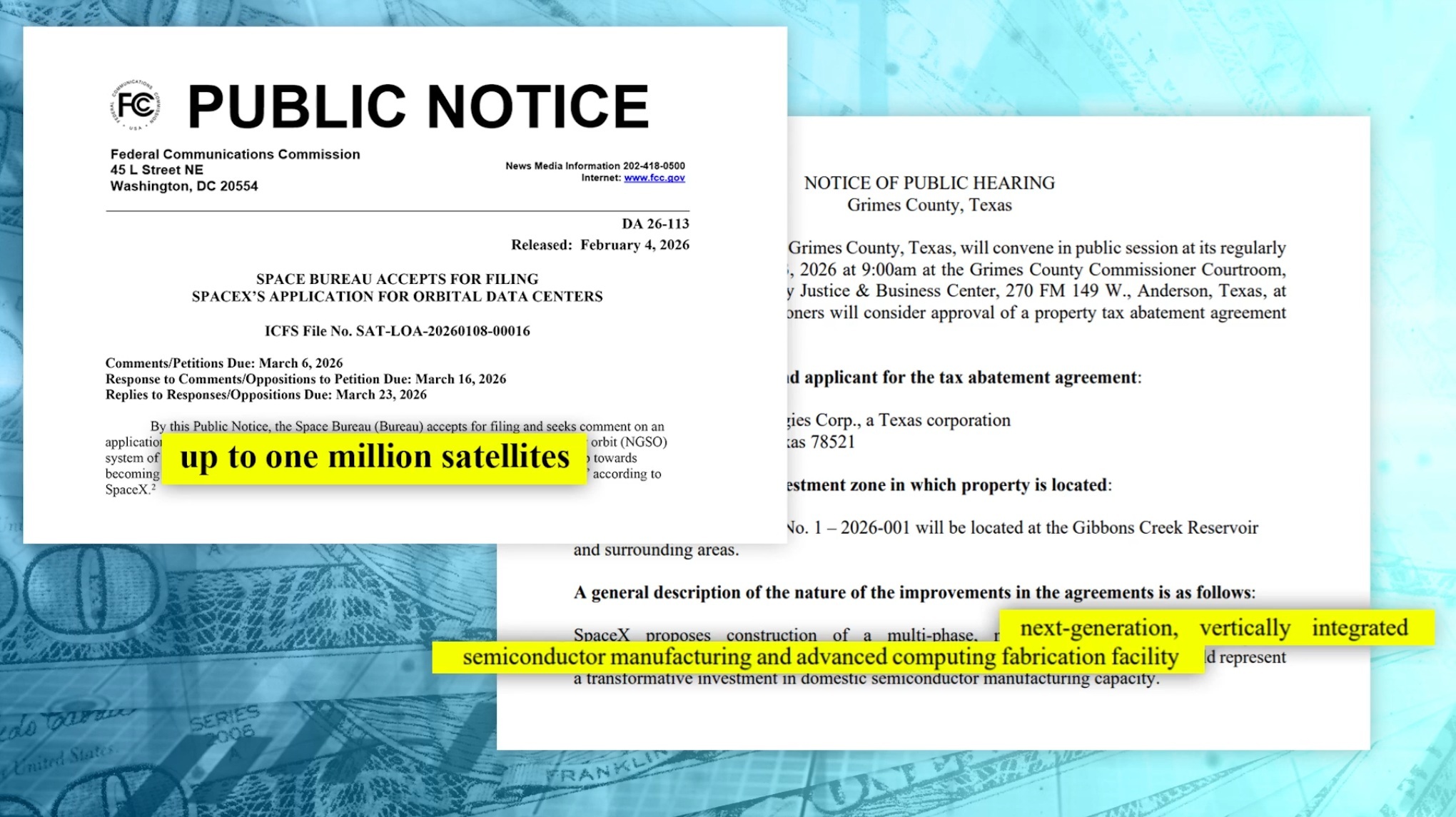
Take a look at these two government documents.
These documents reveal the next steps in Musk’s AI master plan.
Wall Street hasn’t made the connection yet…
But Musk’s moves could light a fire under one little-known chip company.
Because it holds 150 patents on an unusual technology…
That’s essential for this next stage of AI.
This company is the same size as Nvidia when I recommended it in early 2016…
So if you missed out on those 37,800% gains…
This could be your second chance.
Click to see the full story
P.S. There’s no time to waste here. This stock could soar as soon as November 11, when I expect the company to announce a huge distribution deal. Click to watch my briefing right now. |
|
|
The Scoreboard
|
• The split, Thursday: The S&P 500 fell 0.30% to 7,720.39. The equal-weight S&P 500, where every company counts the same, rose 1.21%, its best day in two weeks.
• Alphabet: Down 12.6%, its worst day on record, erasing about $500 billion of market value. Only Nvidia’s drop in January 2025 erased more in a single day.
• Amazon, after the bell: Cloud sales rose 39% to $46.0 billion. Spending on property and equipment hit $77.3 billion in the quarter. Free cash flow is the cash left after that spending. Over 12 months it was a $42.4 billion shortfall, against a $14.8 billion surplus a year earlier, per its report. Shares fell about 7% after hours.
• Intel, after the bell: It forecast fourth-quarter sales of $15–$16 billion, below the roughly $17.1 billion analysts expected. Shares fell about 23% after hours.
• Bonds and futures: The 10-year Treasury yield fell to 4.98% from 5.05% and slipped toward 4.9% overnight. In early trading before the open, futures pointed to a Nasdaq-100 down about 2% and an S&P 500 down about 0.9%.
|
|
|
Details
|
The Market Counted by Company. Your Fund Counts by Size.
At the 4 p.m. close Thursday, two scoreboards for the same 500 companies disagreed. The S&P 500, the version most index funds track, finished in the red. The equal-weight version, where each company gets the same vote, finished in the green.
Both numbers are correct. The gap comes from how an index fund is built. It owns each company in proportion to its size, so the largest few carry the most weight. As of last week, the five largest made up about 30% of the S&P 500, per iShares holdings data.
That weighting decides which risers you actually feel. JPMorgan, the largest bank, is about 1.3% of the index, roughly a quarter of Alphabet’s weight. Financial stocks rose 1.4% Thursday, yet their gain moved your fund less than Alphabet’s loss. The bigger question for the banks sits outside the stock market: who handles a family’s everyday money. A bolder view holds that the challenge is coming from outside banking entirely.
|
Message from our partner Banyan Hill
|
|
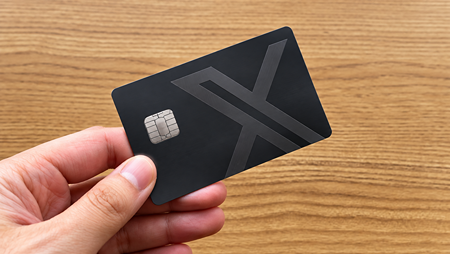
BIG BANKS RATTLED by Elon Musk’s New Metal Card
JPMorgan, Citi, Wells Fargo and Bank of America could team up to compete for the future of money…
Go here for the full story. |
The arithmetic. Going into Thursday, Alphabet was about 5% of the index. A 12.6% drop at that weight pulls the whole index down by more than 0.5% on its own. The index fell only 0.3%. The rest of the market, together, made up roughly half of Alphabet’s damage. Health care and real estate stocks led, each up more than 2%, per the sector funds that track them.
The grade changed. Yesterday morning we wrote that investors had started grading the AI spenders on cash instead of growth. Amazon got the same grade last night. Its cloud business grew 39%. It also spent $77.3 billion in one quarter, more than double the $35.1 billion of a year earlier.
Over the past 12 months, Amazon’s spending ran $42.4 billion ahead of the cash its business brought in. Alphabet came up $9.1 billion short last quarter. Microsoft, which paid its way from its own cash, is now the exception among the three. Together they spent more than $170 billion in three months.
The bond market read Thursday the same way. Money moved into Treasurys as a safe place to wait. The 10-year yield fell overnight to its lowest in more than a month.
What you own. Here is the part a monthly statement won’t show. Wall Street calls seven tech giants the Magnificent Seven. Take them out, and the rest of the S&P 500 was up more than 15% this year. The full index was up about 13%. Both figures run through Thursday afternoon, from a fund that tracks the index without those seven. The giants that carry the most weight in your fund have lagged the rest of it in 2026.
My read comes from three decades of watching concentration build and unwind. A fund weighted by size works beautifully while the biggest companies keep growing faster than everyone else. When they stumble, it hands you their losses at full weight, even on a day most companies rise.
Concentration is one risk inside a 401(k) that most savers never check. The rules it sits under are another: contribution limits, required withdrawals and how each dollar is taxed on the way out. Tuesday’s vote picks the people who write the next round of those rules. The headline risk of the week was Alphabet. The one that compounds longest may be on the ballot.
|
Message from our partner American Alternative Assets
|
Retirement planning takes decades. Elections can change policy in a single night.
With debt at $40 trillion and both parties making competing promises, it is understandable to wonder whether taxes, spending, and retirement rules could shift again.
What Happens to Your Savings If Washington Flips?
The Free 2026 Wealth Protection Guide shows you what you can do about it. Before the headlines. Before the results. Before the window closes.
Read it before November. You Don’t Need to Predict the Election. You Just Need to Be Ready for It.
|
Where that leaves you. Nothing about Thursday argues against owning an index fund. It argues for knowing which kind you own. In a standard S&P 500 fund, about 30 cents of every dollar sits in five companies. An equal-weight fund spreads the same dollar across all 500, about two-tenths of a cent each. Worth knowing which one your 401(k) holds.
Today brings Exxon and Chevron before the open and the Employment Cost Index, the government’s broad read on pay, at 8:30 a.m. Apple, the second-largest weight in the S&P 500, reports Monday. Tuesday is Election Day, and the October jobs report follows on Nov. 6.
Thursday’s market had two scores. The one most Americans own counts by size, and this week size was what got marked down.
|
|
Harold Winston
Thirty years advising individual investors. Now reads markets for a living.
Stay grounded while markets move fast.
|
|
|
|



0 التعليقات:
إرسال تعليق